
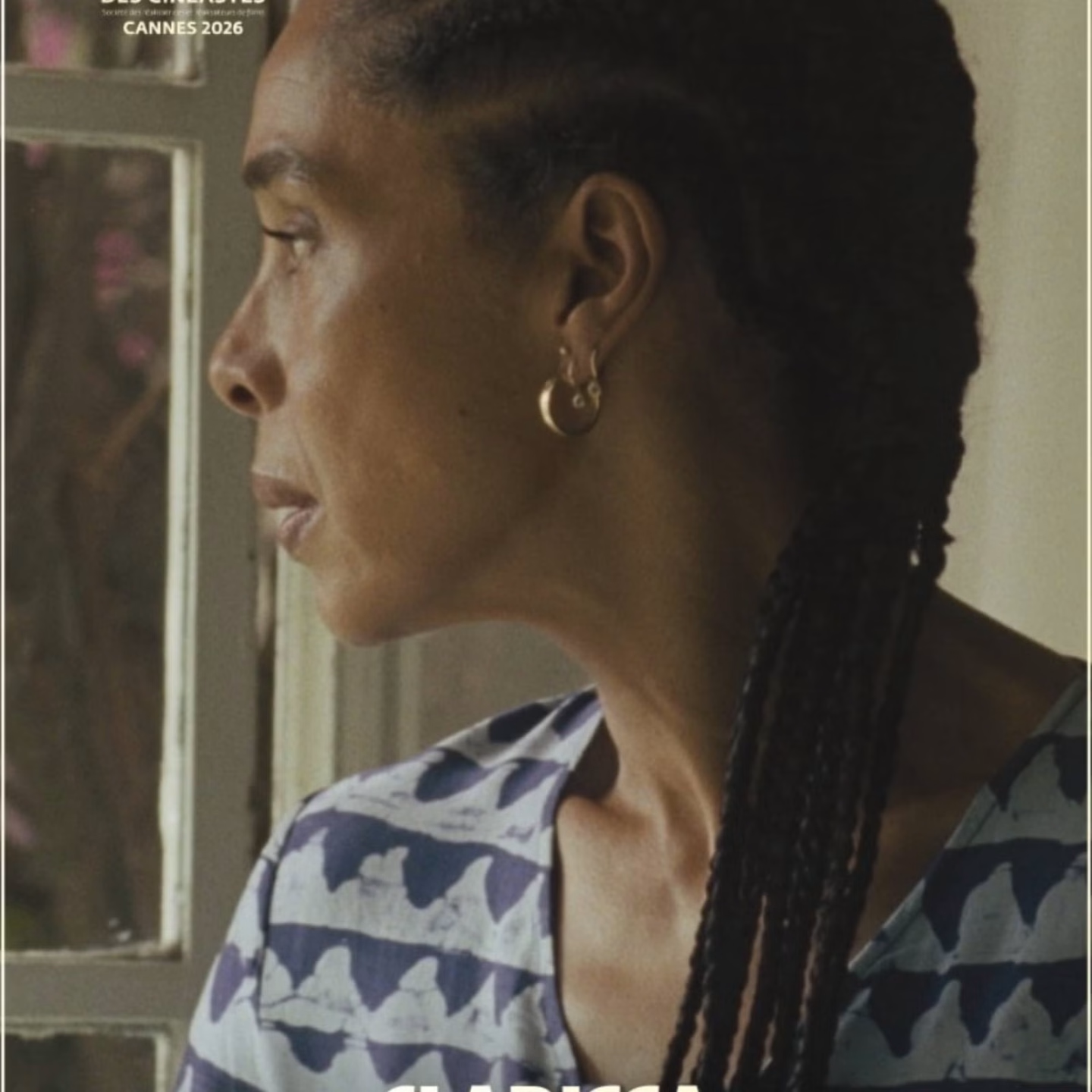
Directed by Nigerian twins Arie and Chuko Esiri, Clarissa is a reimagining of Virginia Woolf’s Mrs Dalloway, set across two timelines in Lagos. The London Film Festival hosted the film’s UK premiere after an excellent response at its European debut at Cannes earlier this year.
We are introduced to Clarissa (Sophie Okonedo), on the eve of a party at her sprawling mansion in the former Nigerian capital. Calmly and elegantly attempting to direct servants, workers and cooks, she is laser-focused on making sure the event is a seamless success. When old friend Peter (David Oyelowo) turns up in the area to deal with the estate of his recently deceased father, Clarissa starts to reflect on earlier times, particularly how friendships and relationships have evolved over time.
Okonedo is wonderful as the older Clarissa. Relying mainly on the reflective glances of regret and sorrow, while outwardly showing control and an acute sense of authority, her performance is restrained and powerful. India Amarteifio is equally excellent as the young Clarissa, full of youthful excitement and promise before the realities and regrets of life have taken their toll. Not seeing the intervening years, we are constantly thrown between the glories of youth and the regrets of maturity, never witnessing the transition between the two. The main relationship between Clarissa and poet Peter (Oyelowo and Toheeb Jimoh, old and young respectively) is particularly poignant. We see their teenage, swimwear-clad selves lying together on a lakeside hammock, furiously dissecting Peter’s latest works. We then flip to the pair awkwardly chatting in a very organised front room, dressed in a suit and elegant dress. Clarissa is now more concerned with the straightness of artwork in the house than giving passionately political critiques of Peter’s work.
What doesn’t work so well is a second narrative following soldier Septimus, who is denying his struggles with PTSD. It’s understandable to show the other side of colonialisation, but the whole story seems forced and unexplored. Whereas Clarissa and her friends live in mansion houses akin to the British colonists, Septimus lives a hard life on a working-class estate. But apart from one very brief contact between the two storylines, they operate as completely different entities, and Septimus’s narrative feels disappointingly redundant.
At just over two hours, the pacing may frustrate some. It is not action-packed nor are there any huge plot shifts – this is not one for Jean-Claude Van Damme fans. The Esiris prefer to concentrate on slowly squeezing out reflections born from progressing years, dealing with disappointment, unfulfilled love, regret and – slightly less successfully – social class.
Clarissa will bowl over some audiences and frustrate others. What is undeniable is that it explores an area of history rarely shown on the big screen. Undoubtedly, the film has its faults, but the main performances are so powerful and the cinematography so beautifully vivid that it manages to navigate its narrative issues with success.
Clarissa has not been given an official release date in the UK.
Review by Colin Lomas
Keep up to date with all new content on Joyzine via
Facebook | Bluesky | Instagram | Threads | Mailing List